


Women’s hair loss
A guide to understanding your hair and your options
How hair grows, what causes it to thin, how hair loss is diagnosed and treated, and what to expect along the way. Written by Wave’s team for women who want clear answers.


Inside this guide
Eight parts, one page
Read it start to finish, or jump straight to the part you need.

A note from our founder
Why we started Wave
“She deserved better than frustration, self-doubt and products that never worked.”
I started Wave after seeing my wife struggle with hair loss for years. She deserved better than frustration, self-doubt and products that never worked, despite all the promises they made.
I wanted to create something real for my wife and women just like her: something that actually works, and supports them along the way. That experience shaped a service built around understanding, clinical guidance and ongoing support.
I hope this guide gives you clarity and helps you achieve the hair that you deserve.
Dr Rohin Patel
Founder, Wave
Part 1
The science of hair growth
Understanding how hair grows is the first step to understanding hair loss. Your hair cycle is influenced by genetics, hormones, nutrition and health.
- The structure of hair
- Inside the hair follicle
- The hair growth cycle
- The four phases
The structure of hair
Each hair has two main parts: the strand you can see, and the follicle beneath your skin that produces it.

The hair shaft
The hair shaft is the visible strand above your scalp. It is made mainly of keratin, a structural protein. Its layers are:
Cuticle
The protective outer layer.
Cortex
The layer that gives hair strength and colour.
Medulla
A central core found in some hairs.
Inside the hair follicle
The follicle sits within your skin and produces the hair strand. Here is where each part sits, from the strand above the skin to the blood vessels that support growth.

Hair bulb
Where growing hair cells are formed.
Hair matrix
Sits inside the bulb. Its rapidly dividing cells produce the growing hair strand.
Dermal papilla
Tissue supplied by small blood vessels that supports growth.
Sebaceous gland
Produces oil that conditions your scalp and hair.
Arrector pili muscle
This tiny muscle contracts when you’re cold or scared, causing “goosebumps” and raising the hair shaft.
Understanding your hair loss starts with a consultation.
The hair growth cycle
Hair follows a cycle of growth, transition, rest and shedding. Each follicle moves through this cycle independently. That is why your hair does not all shed at once. Genetics, hormones, nutrition and health can affect the cycle. Changes in its timing may lead to increased shedding or gradual thinning.

Anagen
Growth · several years
Catagen
Transition · 2–3 weeks
Telogen
Resting · ~3 months
Exogen
Shedding
Hair follicle lifespan
Hair follicles cycle repeatedly throughout life. In conditions such as female pattern hair loss, the growth phase can shorten and follicles can produce progressively finer strands. This process is called miniaturisation.
The four phases
Anagen
Growth
Usually several years, depending on genetics, age and health
- The follicle actively produces a growing hair strand.
- Growth rate: around 1 cm per month on average.
- The length of this phase influences how long your hair can grow. Hormones and nutritional deficiencies can also affect the cycle.
Catagen
Transition
Around 2–3 weeks
- Active growth stops and the follicle begins to shrink.
- Only a small proportion of scalp hairs are in this phase at once.
- This is a normal transition between growth and rest.
Telogen
Resting
Around 3 months
- The hair rests before it is shed.
- A proportion of scalp hairs are always in this phase.
- Some daily shedding is normal. A lasting change from your usual pattern is worth discussing.
Exogen
Shedding
Old hair is released
- Old hairs are released from the follicle.
- You may notice them while washing, brushing or styling.
- Shedding happens gradually as follicles move through their cycles.
Stress, illness and other triggers can change how many hairs enter the resting phase. Noticeable shedding may follow months later.
Noticing a change? Find out what could be contributing.
Part 2
Causes of hair loss in women
Hair loss can affect how you feel about yourself. It can also have more than one cause. This part explains common contributors, so you can understand what may be worth discussing with a clinician.
- Hormonal changes
- Menopause and PCOS
- Stress and telogen effluvium
- Weight-loss injections
- Nutritional deficiencies
- Medical conditions
- Other causes
- Common triggers by decade
Hormonal changes
Hormones help regulate the hair cycle. Changes during pregnancy, after childbirth and around menopause can affect shedding and density.
Female pattern hair loss
- Usually causes gradual thinning around the parting and crown.
- Follicles produce progressively finer strands.
- Genetics and hormone sensitivity can contribute.
Postpartum shedding
- Hormonal changes after birth can trigger increased shedding.
- It often improves as the hair cycle settles.
- Persistent thinning may have another contributor and deserves assessment.
Menopause
- Oestrogen falls faster than androgens, so the balance tips towards androgens.
- Thinning usually shows at the parting and on top. More below.
Polycystic ovary syndrome (PCOS)
Higher androgen activity and insulin resistance can shrink sensitive follicles, often alongside acne or extra facial hair. More below.
Menopause and perimenopause
Up to half of women have pattern hair loss after menopause
In one clinic study of 178 postmenopausal women, 52% had female pattern hair loss, most of it mild.1 It can start before your periods change, around your last period, or years later.
Why it happens: oestrogen falls sharply around menopause, while androgens such as testosterone fall slowly. The balance tips towards androgens, and follicles that are genetically sensitive to DHT shrink faster.
Normal bloods don’t rule it out
Hormone levels in a blood test don’t predict pattern hair loss. How sensitive your follicles are matters more.
HRT isn’t a hair treatment
HRT helps many menopause symptoms, but it isn’t prescribed for hair loss. The one study of HRT and hair had 11 women and found no change in density.3,4 You can be on HRT and treat your hair. Don’t stop or change HRT without your prescriber.
Few women get help
In a survey of 1,457 women in England going through menopause:2
Polycystic ovary syndrome (PCOS)
About 1 in 5 women with PCOS have pattern hair loss
Across 18 studies of 3,464 women with PCOS, 23% had female pattern hair loss.5 It often comes with acne, extra facial or body hair, or irregular periods.
How PCOS can thin hair
- 1
Insulin resistance
Common in PCOS. Higher insulin pushes the ovaries to make more androgens.
- 2
More androgen at the follicle
In the scalp, testosterone is converted to DHT, a more potent androgen.
- 3
Sensitive follicles shrink
Each new hair grows finer and shorter, so the parting widens.
Your bloods may look normal
In a clinic study of 254 women with PCOS, those with pattern hair loss didn’t have higher androgen levels in their blood than those without.6
Treatment needs care
Minoxidil can add facial hair, which matters if you already have extra hair growth. Your clinician weighs this up and adjusts.
Your GP still manages PCOS
Hair treatment sits alongside your PCOS care. If you’re trying to conceive, tell your clinician, because it changes what’s suitable.
Stress and telogen effluvium
Shedding often shows 2–3 months after the trigger
Telogen effluvium is increased shedding that can follow physical or emotional stress. More hairs enter the resting phase together.
Triggers include
- Illness: severe infections, high fever or surgery.
- Emotional stress: major life events such as grief, divorce or job loss.
- Sudden weight loss: crash dieting or extreme calorie restriction.
Weight-loss injections (GLP-1 medicines)
Hair loss is a listed side effect, reported far more by women
Hair loss is listed as a common side effect on the UK leaflets for Wegovy and Mounjaro, though most people don’t get it.8 It’s mostly shedding (telogen effluvium) linked to eating much less and losing weight quickly, and for most people it settles.
Fast weight loss can also bring to light pattern thinning that was already starting. That part won’t recover on its own.
Hair loss reported in clinical trials
Tirzepatide (Mounjaro)7
Semaglutide 2.4 mg (Wegovy)8
Start
Weight starts coming off.
Around 2–3 months
Shedding may start.
Within 3–6 months
It usually eases as your weight levels off.
After about 6 months
Still shedding, or a widening parting? Get it assessed.
- Don’t change your dose without speaking to your prescriber.
- Eat enough protein. Reviews suggest at least 1–1.2 g per kg of body weight a day.
- Ask about ferritin and vitamin D, and only supplement what a test shows you’re low in.
Wave’s clinicians treat women who are on GLP-1 medicines.
Nutritional deficiencies
Your hair relies on a steady supply of nutrients. Deficiencies in key vitamins and minerals can disrupt the hair growth cycle.
Iron
Iron helps your body make haemoglobin, which carries oxygen. Low iron stores can contribute to shedding. Ferritin results need to be interpreted alongside symptoms, other blood tests and your medical history. Our clinicians like to see ferritin above about 70–80 µg/L if you’re shedding; lab “normal” ranges go much lower. Ask whether testing or supplementation is appropriate.
Vitamin D
Vitamin D plays a role in hair follicle cycling and activation. Deficiency is linked to increased hair shedding. Deficiency is very common in the Northern Hemisphere due to a lack of natural sunlight.
Zinc
Zinc helps repair damaged follicles and supports the oil glands around them. Deficiency can lead to brittle, thinning hair.
Did you know? Zinc and iron compete for absorption in the gut, which can reduce the effectiveness of both minerals when taken at the same time.
Protein
Hair is made mainly of keratin, a protein. Not getting enough dietary protein can affect hair growth and strength. A varied diet helps support your nutritional needs.
Medical conditions
Underlying health issues can significantly affect the hair growth cycle.
Thyroid disorders
- Both hypothyroidism (underactive thyroid) and hyperthyroidism (overactive thyroid) can cause diffuse thinning or hair shedding.
- The thyroid regulates hormones that influence hair growth, and imbalances disrupt this process.
Alopecia areata
- An autoimmune condition in which the body’s immune system attacks hair follicles, causing patchy hair loss.
- It can progress to complete scalp hair loss (alopecia totalis) or full-body hair loss (alopecia universalis).
Lupus
An autoimmune disease that can cause hair loss due to inflammation of the scalp or as a side effect of medication.
Seborrhoeic dermatitis and scalp psoriasis
These inflammatory conditions can disrupt hair growth by irritating the scalp and causing flaking, itching or sores.
Find out if your hair loss is treatable.
Other causes
Daily habits can affect the condition of your hair and scalp. Family history, medicines and age can also play a part.
Lifestyle
- Heat and chemical damage: frequent heat styling, bleaching or chemical treatments can weaken strands and cause breakage.
- Repeated pulling: tight hairstyles or extensions can place tension on the follicles over time.
- Gentle care: reduce pulling, limit excessive heat and treat scalp irritation.
Genetics
Family history can influence your likelihood of experiencing hair loss. Female pattern hair loss is hereditary and follows a predictable pattern of thinning, particularly at the crown.
Medications and treatments
- Chemotherapy targets rapidly dividing cells, including hair follicle cells, leading to temporary hair loss.
- Beta blockers and antidepressants can trigger telogen effluvium.
- Contraceptives: hormonal birth control can either help or worsen hair loss, depending on its androgenic properties.
Age
Hair can become finer with age. Hormonal changes and other health factors may contribute. A new or persistent change still deserves attention.
Common triggers by decade
Different life stages bring different common contributors.
20s
Possible contributors
Stress, poor nutrition and hormonal imbalances such as PCOS.
Next step
Prioritise balanced nutrition, supplement where needed and reduce stress through mindfulness techniques.
30s
Possible contributors
Postpartum hair loss, early signs of female pattern hair loss (FPHL) or thyroid dysfunction.
Next step
Monitor patterns of shedding and consider professional advice if hair loss persists beyond a year after giving birth. Seek clinical advice if you see no improvement.
40s
Possible contributors
Perimenopause, stress, nutrition and styling habits.
Next step
Use gentle hair care and seek an assessment for persistent or increasing thinning.
50+
Possible contributors
Menopause, hormonal shifts and age-related thinning.
Next step
Focus on scalp care, clinically proven treatments and overall wellness to maintain hair health.
Part 3
Diagnosing your hair loss
Different types of hair loss can look similar, and more than one can occur together. Noticing the pattern gives useful clues. A clinician can help connect those clues with your symptoms and medical history.
- Recognising your hair-loss pattern
- Other symptoms to look for
- Why professional diagnosis matters
- How clinicians diagnose hair loss
- Time, regrowth and your consultation
Recognising your hair-loss pattern
Notice where your hair is changing and whether the change is gradual or sudden. Different types of hair loss follow distinct patterns, and identifying yours can offer important clues about the underlying cause.

All-over thinning or shedding
- Hair looks less dense across the scalp.
- You may notice more strands when washing or brushing.
- This can occur with telogen effluvium, among other causes.

Widening parting
- The parting gradually looks wider.
- Strands may become finer over time.
- This can occur with female pattern hair loss.

Thinning at the crown
- Hair gradually looks less dense on top.
- Strands may become finer.
- This can occur with female pattern hair loss.

Thinning at the temples
- Hair looks finer or less dense at the sides.
- Several causes can contribute.
- An assessment helps distinguish the pattern.

Receding hairline
- The hairline moves back or becomes less dense.
- Repeated tight pulling can contribute.
- Redness, shiny skin or eyebrow loss should be assessed promptly.
- The pattern alone does not confirm the cause.

Patchy hair loss
- One or more distinct areas lose hair.
- Patches may be round or irregular.
- Alopecia areata is one possible cause; seek an assessment.
Illustrations show the scalp from above, with the forehead at the bottom. Visible scalp shows reduced hair density; smooth bare areas show distinct patches of hair loss.
Recognise your pattern? A clinician can tell you what’s behind it.
Other symptoms to look for
While hair loss is the most obvious sign, other symptoms can provide important information about the underlying cause.
| Symptom | What you might notice | What it may point to |
|---|---|---|
| Signs of scarring or scalp inflammation | Red, inflamed or painful scalp. Scaling, pustules or sores. Hair does not regrow in affected areas, suggesting follicle damage. | Scarring alopecia. Possible causes include lichen planopilaris (LPP), frontal fibrosing alopecia (FFA), discoid lupus and folliculitis decalvans. |
| Eyebrow and eyelash loss | Patchy eyebrow loss, or gradual eyebrow thinning, especially at the outer third. | Patchy loss may indicate alopecia areata or thyroid dysfunction. Outer-third thinning can suggest hypothyroidism. |
| Body hair loss | Loss of hair on legs, arms or other areas, or body hair becoming thinner over time. | Alopecia universalis, thyroid dysfunction or autoimmune disease. Gradual thinning could be linked to hormonal imbalances or ageing. |
| Scalp pain, itching or burning | Discomfort, itching or a burning feeling on the scalp, sometimes before shedding. | Inflammatory conditions such as seborrhoeic dermatitis, psoriasis or cicatricial (scarring) alopecia. Pain before shedding may indicate alopecia areata. |
| Menstrual irregularities, acne or excess hair growth elsewhere | Irregular periods, hormonal acne and hair growth in male-pattern areas (chin, upper lip, chest). | Polycystic ovary syndrome (PCOS) or excess androgens (testosterone, DHT), both of which can trigger hormonal hair loss. |
| Sudden weight changes, fatigue or brittle nails | Unexplained weight change, tiredness, or nails that split or break easily. | Thyroid disorders, anaemia or nutritional deficiencies, all of which can lead to diffuse hair shedding. |
Why professional diagnosis matters
More than one cause can contribute to hair loss. An assessment helps identify what needs attention and which treatments may be suitable. A clinician will use several diagnostic tools to find the cause of your hair loss.
Medical history and lifestyle
- Recent stress, illnesses or major life events.
- Diet and nutritional intake.
- Family history of hair loss.
- Menstrual cycles, pregnancy or menopause.
- Medication or supplement use.
Physical scalp examination
- Checking for inflammation, scaling, redness and miniaturisation of follicles.
- Assessing the pattern of your hair loss.
- Using a dermatoscope or trichoscope to magnify hair follicles and detect miniaturisation, scarring or inflammation.
Blood tests to identify internal causes
- Iron and ferritin: low levels can trigger shedding.
- Thyroid hormones (TSH, T3, T4): imbalances can disrupt the hair cycle.
- Androgens (testosterone, DHEA, DHT): elevated levels can cause androgenetic alopecia.
- Vitamin D and B12: deficiencies are linked to poor follicle function.
Scalp biopsy, if needed
A small sample is taken to distinguish scarring from non-scarring hair loss.
Understanding the role of time in regrowth
Hair regrowth takes time because hair follows a natural cycle.
Telogen effluvium
Usually resolves in 4–6 months. If shedding persists, another condition may be involved.
Female pattern hair loss
Progresses gradually and needs long-term treatment for visible improvement.
Beyond six months
If hair loss continues beyond six months, professional evaluation is essential to find out whether an underlying condition is preventing regrowth.
Seek professional help if
A dermatologist, GP or one of our experts at Wave can assess your hair loss and guide you towards the right diagnosis and treatment plan.
- Hair loss is rapid or severe, with visible thinning or bald patches.
- You notice no regrowth after 4–6 months.
- You experience scalp discomfort, redness or scaling.
- Hair loss is accompanied by hormonal symptoms or other health changes.
Preparing for your consultation
- Take photos of your parting, crown and hairline.
- Note when the changes began and whether they are progressing.
- List recent illnesses, stress, medicines and supplements.
- Mention scalp symptoms and any wider health changes.
Not sure what’s causing your hair loss?
Part 4
Treating hair loss in women
The right treatment starts with understanding the cause of your hair loss. This part explains the options, what to expect and why your plan should reflect your needs.
- Realistic expectations
- What works, and how well
- Myths and the evidence
- Combination treatment and personalisation
- Active ingredients at Wave
Realistic expectations: hair growth takes time
Allow time
Visible changes take months, and the response varies by person and treatment.
Follow your plan
Use treatment as directed and attend planned reviews. Ask your clinician before changing it.
Discuss new symptoms
Some people notice temporary shedding after starting minoxidil. Shedding alone does not prove that treatment is working. Follow your leaflet and contact your clinician if it is persistent or concerning.
Give it time
Very few people notice a change in the first month
In a study of 400 people using minoxidil, 1.2% reported improvement after a month or less, against 44% of those who had used it for over a year.9 Clinicians judge progress at 6–12 months.
What works, and how well
Treatments for pattern hair loss work in different ways. The ones with the best results tackle more than one part of the problem.
Minoxidil on its own
About 4 in 10 women
In a trial of 346 women, 44% had new growth on 2% minoxidil, against 29% on a dummy lotion.10 It’s licensed for women in the UK and is one of the most studied hair-loss treatments.11
It keeps hairs growing for longer, but it doesn’t touch the hormone side of pattern hair loss. It also has to be switched on by an enzyme in the scalp, and our clinicians see low enzyme activity as one reason many women don’t respond.
Combination therapy
Treating more than one cause helps more women
Minoxidil alone10~40%
Spironolactone1245%
Finasteride1362%
Combination therapy1493%
Share of women who improved in each study. These are different studies, not a head-to-head comparison. The combination trial gave 30 women 2% minoxidil with an oral anti-androgen for 4 months, with no minoxidil-only group.14 In a head-to-head trial of 115 women, 86% improved when an anti-androgen was added to minoxidil, against 55% on minoxidil alone.15
Popular options, rated
How much evidence is there in women?
very little strong
Minoxidil (topical)
17 trials in women. Helps about 4 in 10 on its own.10,11
Combination therapy
Helped more women than minoxidil alone in a head-to-head trial: 86% vs 55%.15
Laser caps and combs (LLLT)
In two sham-controlled trials of 141 women, about 20 extra hairs per cm² over 26 weeks, against about 3 with a dummy device. Funded by the device maker.16
PRP injections
Mixed. One trial of 30 women found 57% improved, against 7% with saline; another found no difference.17,18
Saw palmetto
Only a few dozen women ever studied, and no usable data in the Cochrane review.11
Pumpkin seed oil
Capsules: one trial in 37 men. In women, minoxidil regrew more hair than pumpkin seed oil on the scalp.19,20
Rosemary oil
One trial in 100 men, against weak 2% minoxidil. Not yet repeated.21
Biotin
Helps only if you’re deficient.22
Supplements and oils might help a little in very mild thinning, but the research behind them is small, so expect little. Ratings are Wave’s summary of how much good-quality evidence there is in women.
Myths and the evidence
Hair loss is surrounded by misinformation, leading many people to try ineffective treatments or give up too soon. Tap each myth to see what the evidence says.
Myth 1“Natural oils alone can cure hair loss.”
The evidence
One six-month trial compared rosemary oil with 2% minoxidil in 100 men with androgenetic alopecia.21 It hasn’t been repeated, and no trial has tested it in women.
What it means
That study does not establish equivalent results for women or for 5% minoxidil. A promising result is not a universal treatment recommendation.
Myth 2“No results in a month means it has failed.”
The evidence
Hair changes slowly. Treatment response usually needs to be assessed over months, not weeks.
What it means
Agree a review timeline with your clinician. Ask for advice if you have side effects or concerns.
Myth 3“One treatment works for everyone.”
The evidence
Hair loss can involve genetics, hormones, illness, nutritional deficiencies or autoimmune conditions.
What it means
A plan should address your diagnosis. Similar-looking hair loss may need different treatment.
Myth 4“Shaving makes hair grow back thicker.”
The explanation
A cut strand has a blunt end, which can feel coarser as it grows out.
What it means
Shaving changes the strand above the skin. It does not change the follicle or its growth rate.
Myth 5“More biotin means more hair growth.”
The evidence
Biotin only helps hair if you’re deficient, which is uncommon. Independent reviews found no good evidence otherwise, and high doses can distort some blood tests.22
What it means
Discuss supplements with your clinician and tell them what you take before blood tests.
Myth 6“Minoxidil works instantly.”
The evidence
On its own, minoxidil helps about 4 in 10 women, and very few people notice a change in the first month.9,10
What it means
It does not restore every lost hair. Follow the prescribed plan and review progress with your clinician.
Myth 7“Results last forever after treatment stops.”
The explanation
For ongoing conditions such as female pattern hair loss, continued treatment may be needed to maintain benefit.
What it means
The length of treatment depends on your diagnosis and response. Discuss a longer-term plan with your clinician.
Myth 8“Finasteride is only ever used in men.”
The evidence
Specialists sometimes consider finasteride off-label for selected women. Suitability, evidence and risks need careful discussion.
What it means
It is not a treatment to start without medical supervision. It must not be used during pregnancy; discuss pregnancy plans and breastfeeding with your prescriber.
Myth 9“Hair transplants work for everyone.”
The evidence
Hair transplants are effective for some, but they are not a universal solution.
- Successful transplants need enough healthy donor hair from the back of the scalp. With widespread thinning, there may not be enough donor hair to redistribute.
- Transplants don’t stop genetic hair loss. Without ongoing treatments such as minoxidil or finasteride, surrounding hair may continue to thin.
- Scarring alopecia or diffuse hair loss (such as telogen effluvium) may not be suitable for transplants.
What it means
Hair transplants work best for localised hair loss with strong donor areas, but they must be combined with long-term maintenance treatments.
Myth 10“Laser therapy (LLLT) is a scam.”
The evidence
Several sham-controlled trials show laser caps and combs can increase hair density.
- In two trials of 141 women, hair counts rose by about 20 hairs per cm² over 26 weeks with a laser comb, against about 3 with a dummy device.16
- Most trials were funded by device makers, and devices need using several times a week.
- It won’t regrow hair on completely bald areas.
What it means
Not a scam, but an add-on with modest gains. It doesn’t treat the hormone side of pattern hair loss.
Myth 11“Expensive shampoos and serums can regrow hair.”
The evidence
Most hair-loss shampoos don’t regrow lost hair. They can only support scalp health and reduce shedding.
- Ketoconazole (Nizoral) shampoo has mild DHT-blocking properties and may help with inflammation-related shedding.
- Caffeine-based shampoos may help stimulate blood flow, but clinical evidence for caffeine alone is limited.
- Serums with peptides, caffeine or herbal extracts can improve scalp health but don’t reverse genetic hair loss.
What it means
No shampoo or serum alone will regrow hair. They can only support a healthy scalp and should be used with clinically proven treatments.
Myth 12“PRP (platelet-rich plasma) therapy doesn’t work.”
The evidence
PRP takes some of your blood and injects the plasma into your scalp. In women, the results are mixed.
- In one trial of 30 women, 57% improved with PRP, against 7% with saline injections.17
- Another trial, in 35 people, found no significant difference between PRP and saline.18
- It isn’t available on the NHS. UK courses usually cost £1,000–£1,800, with top-ups.
What it means
PRP may help some people, but there’s no reliable success rate, and “60–80%” claims aren’t supported. Get the cause assessed first.
Myth 13“Scalp massages alone can reverse hair loss.”
The evidence
Scalp massage may support circulation, but it can’t reverse genetic hair loss alone.
- In a small study of 9 men, 4 minutes of daily scalp massage for 24 weeks increased hair thickness, but not the number of hairs.25
- However, scalp massage does not block DHT or stimulate follicle growth in the way minoxidil or finasteride do.
What it means
Scalp massage can complement other treatments but won’t regrow lost hair on its own.
Myth 14“Initial shedding means treatment has failed.”
The explanation
Temporary shedding can happen after starting minoxidil, but not everyone experiences it.
What it means
Shedding is not proof of success or failure. Follow your medicine leaflet and seek advice if shedding persists, worsens or worries you.
Myth 15“Saw palmetto and pumpkin seed oil are natural DHT blockers.”
The evidence
“Blocks DHT” mostly means slowing an enzyme in a lab. The trials in people are small.
- Only a few dozen women have taken saw palmetto in a hair-loss trial, and the Cochrane review had no usable data on it.11
- In men, 38% improved on saw palmetto over two years, against 68% on a prescription treatment.26
- Pumpkin seed oil capsules rest on one trial in 37 men, funded by the capsule supplier. In the only study in women, minoxidil regrew more hair.19,20
What it means
They might help a little in very mild cases, but the evidence sets low expectations. Don’t count them as your treatment while thinning carries on.
Myth 16“HRT will sort out menopausal hair loss.”
The evidence
HRT isn’t prescribed for hair loss. The only study of HRT and hair had 11 women and no comparison group, and found no change in density or thickness.3,4
What it means
HRT helps many menopause symptoms. Pattern hair loss needs its own treatment, and you can be on HRT and treat your hair. Don’t stop or change HRT without your prescriber.
Combination treatment
A clinician may combine treatments when they address different needs
More ingredients do not automatically mean a better plan.
- Each ingredient should have a clear purpose.
- Evidence varies by ingredient and formulation.
- Benefits, side effects and suitability should all be considered.
Why personalisation matters
Your diagnosis
Different causes may need different approaches.
Your health
Medical history, medicines, pregnancy plans and scalp symptoms help guide suitability.
Your routine
A practical plan should fit your life and include time to review progress.
Combining evidence with care
Wave brings treatment and clinical support together
Assessment
Understand your symptoms, medical history and hair-loss pattern.
A personalised plan
Choose suitable treatment with your clinician and understand what it is intended to do.
Ongoing review
Track your response, discuss concerns and adjust the plan when needed.
Active ingredients at Wave
Different ingredients have different roles. Your clinician selects what is suitable for your diagnosis and explains the expected benefits and risks. You don’t choose ingredients yourself, and not every formula contains every ingredient.
Minoxidil
Topical, licensed for women
Licensed in the UK for female pattern hair loss. It keeps hairs in the growth phase for longer and thickens strands. On its own it helps about 4 in 10 women, which is why clinicians often combine it.10
How it works
- Widens blood vessels around the follicle.
- Has to be switched on by an enzyme in the scalp, and how much of it you have varies from person to person.
Spironolactone
Prescription anti-androgen, topical at Wave
Stops hormones such as DHT acting on the follicle, which slows follicle shrinking. Often used for pattern hair loss linked to PCOS or menopause.
How it works
- Blocks androgens from attaching to the follicle.
- Usually combined with minoxidil, because on its own it does less.
Finasteride
Prescription DHT blocker
Blocks 5-alpha reductase, the enzyme that turns testosterone into DHT. It’s licensed for men, and specialists prescribe it off licence for some women, mostly after menopause. In one study, 62% of women improved.13
How it works
- Lowers DHT in the scalp.
- Slows further thinning, and can bring some regrowth.
Melatonin
Topical, supporting ingredient
Hair follicles make and respond to melatonin. In a placebo-controlled trial of 40 women, a melatonin solution on the scalp increased the share of hairs in the growth phase.28
How it works
- Thought to extend the growth phase and protect follicles from oxidative stress.
- It isn’t a DHT blocker.
Tretinoin
Prescription vitamin A (retinoid)
Used alongside minoxidil. With tretinoin, minoxidil is more effective: in one trial, once-daily minoxidil with tretinoin matched twice-daily minoxidil.27
How it works
- Thought to boost the scalp enzyme that switches minoxidil on.
- Not a hair-loss treatment on its own.
Caffeine
Topical follicle stimulant
Lab studies suggest caffeine stimulates hair growth and counters some of DHT’s effect on follicles. Evidence in people is limited, so it’s a supporting ingredient.
How it works
- Stimulates the follicle.
- Sometimes used instead of spironolactone, for example if its smell is a problem.
How Wave combines these ingredients
Our clinicians combine these ingredients to match your needs, whether your thinning is linked to genetics, PCOS or menopause. Your formula is tailored to you.
We also check in regularly and refine your formulation as needed.
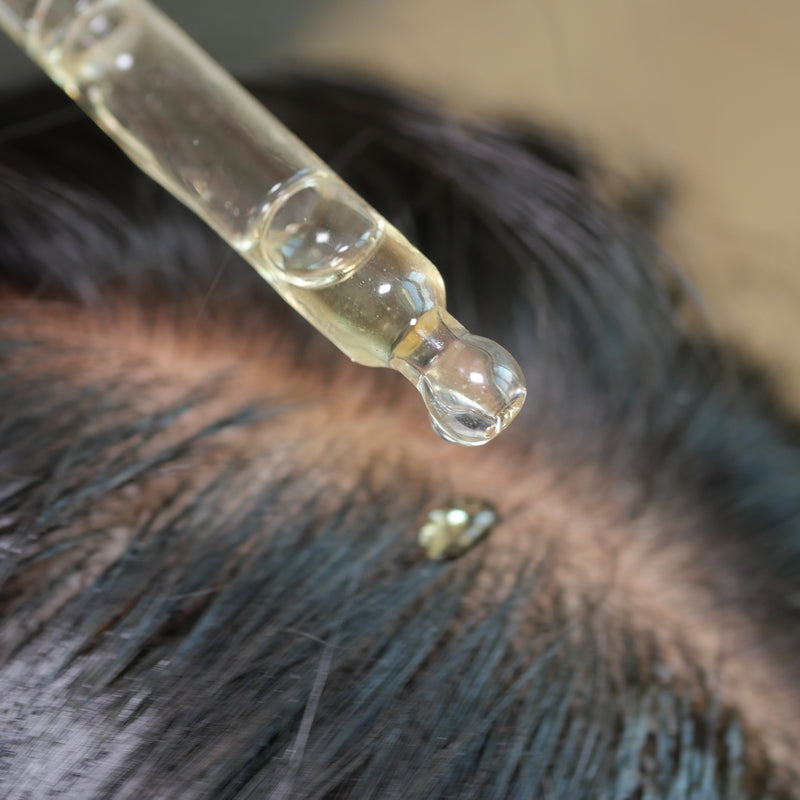
Curious about what would work for you?
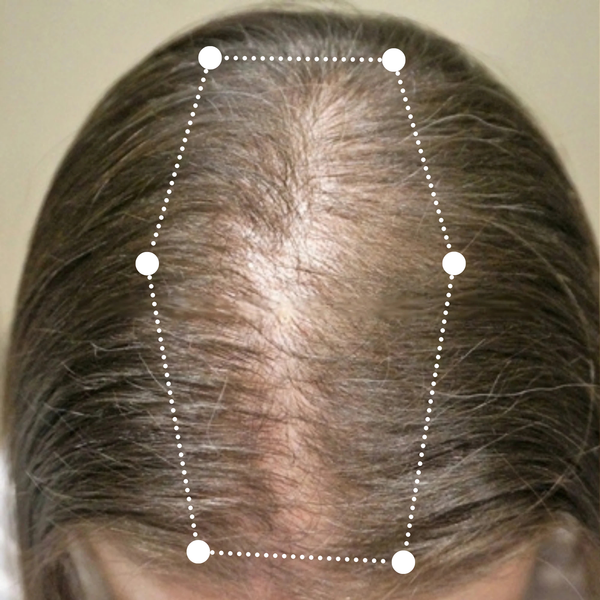
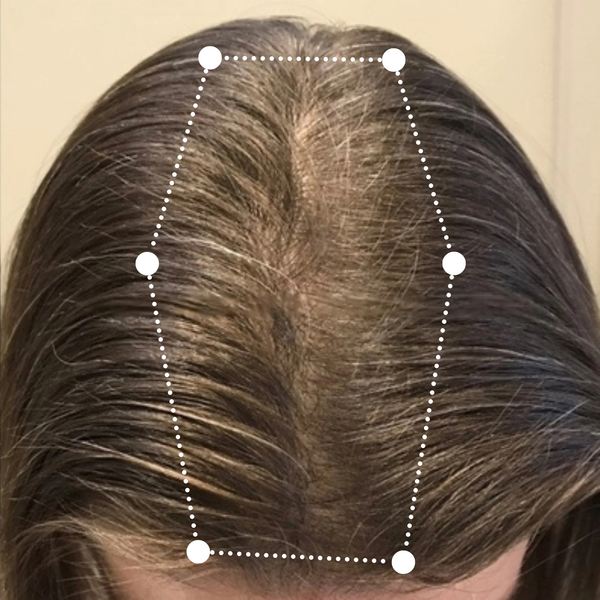
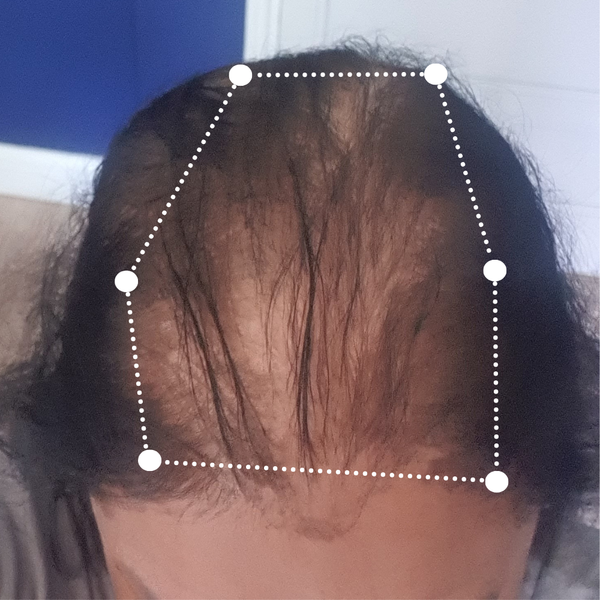
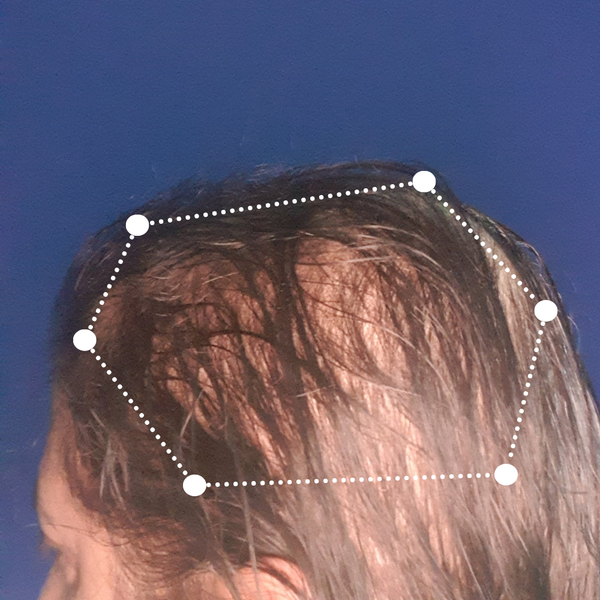
Real Wave patients, real photos
What clinical care can look like
 BEFORE
 6 MONTHS
“I was losing clumps of hair and I tried everything I saw online. But nothing worked. Wave stood out because it was a clinical service.”
Carrie, 38 Wave patient
 BEFORE
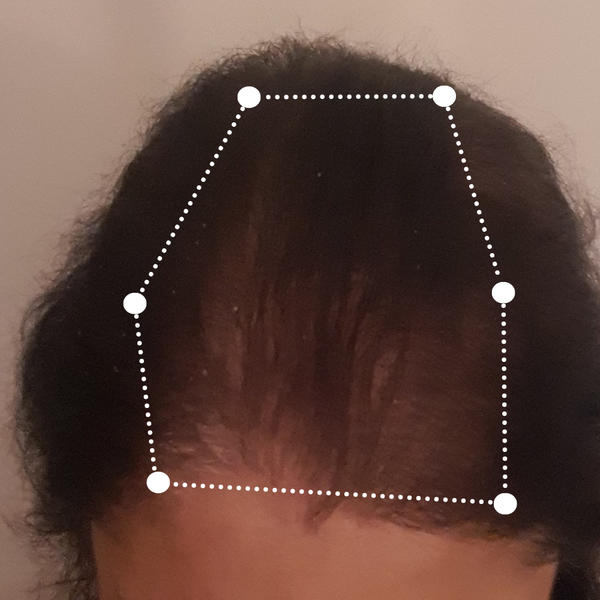 8 MONTHS
“Over 15 years I tried absolutely everything you can think of. I never thought that this type of regrowth would be possible.”
Mary, 58 Wave patient
 BEFORE
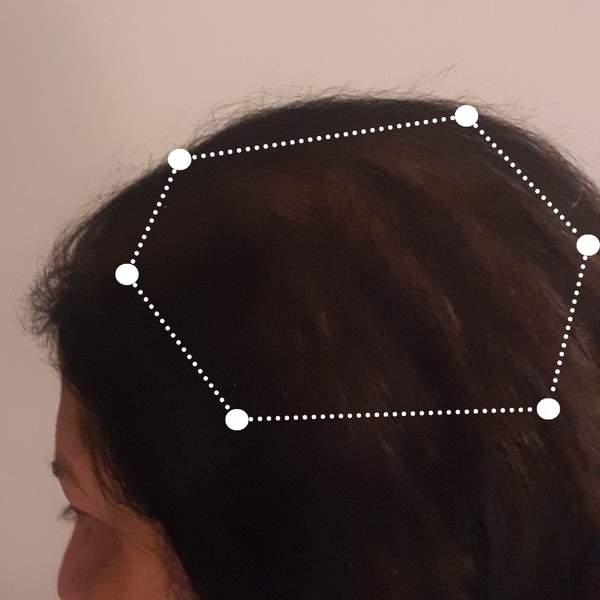 6 MONTHS
“Dealing with hair loss is genuinely really difficult, and I've struggled to find anything that's helped. I am now so much more confident.”
Jes, 49 Wave patient
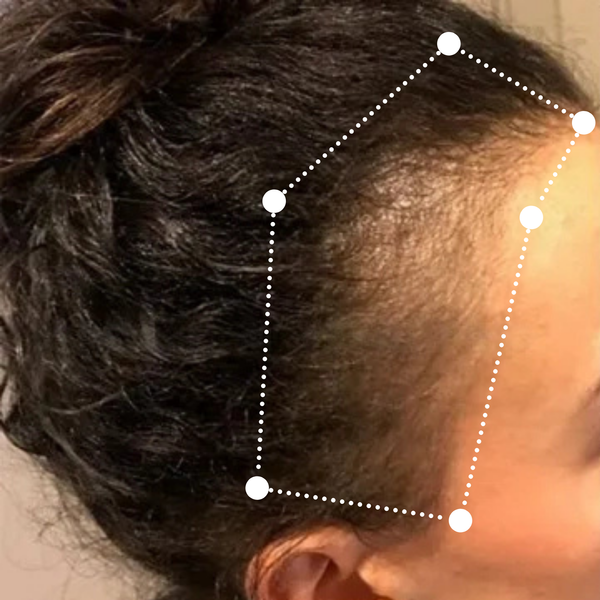 BEFORE
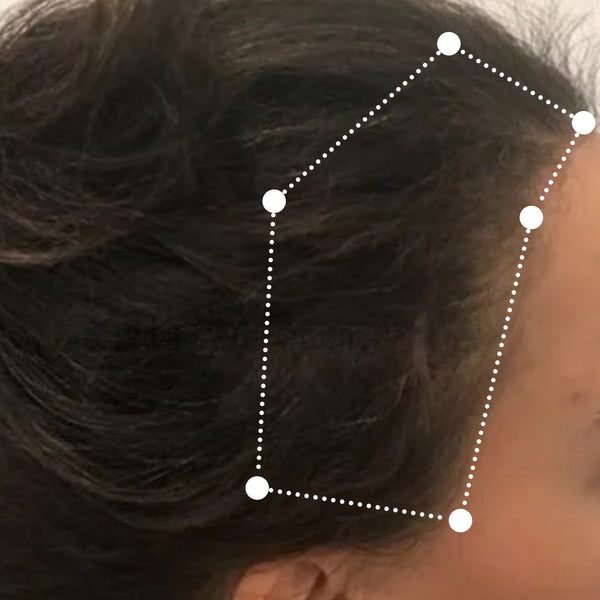 5 MONTHS
“My hair loss started 2 years ago and I thought I was going bald. My sister now tells me how much more hair I have.”
Maria, 51 Wave patient
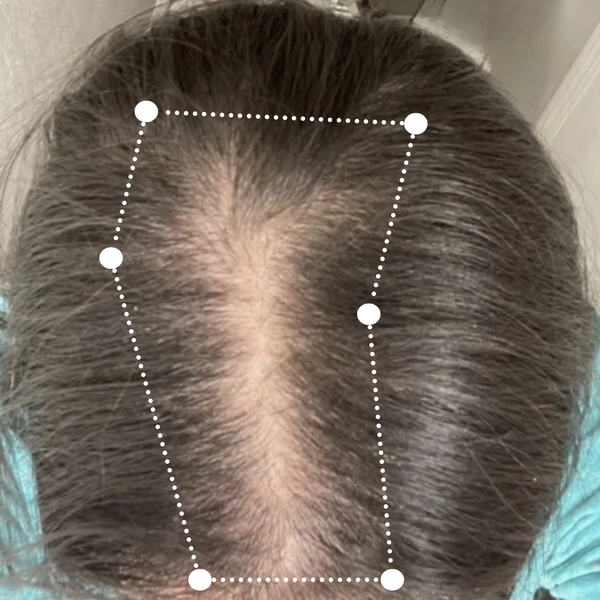 BEFORE
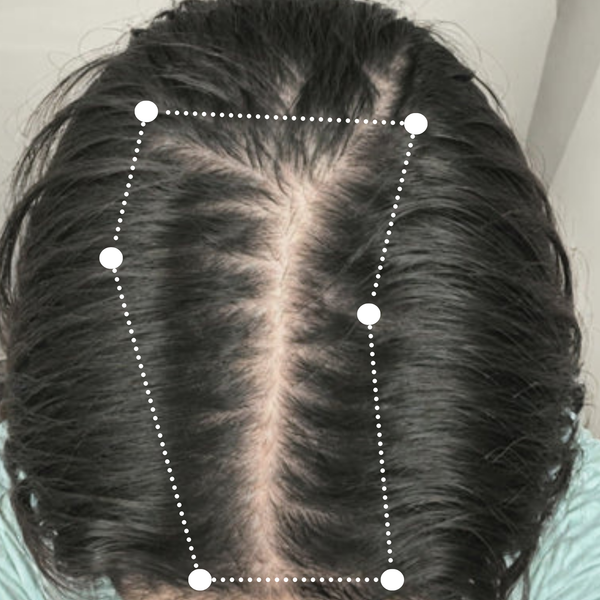 4 MONTHS
“I was blown away with the level of support I got from the start. This is the first time I have felt good about my hair in years!”
Helen, 57 Wave patient
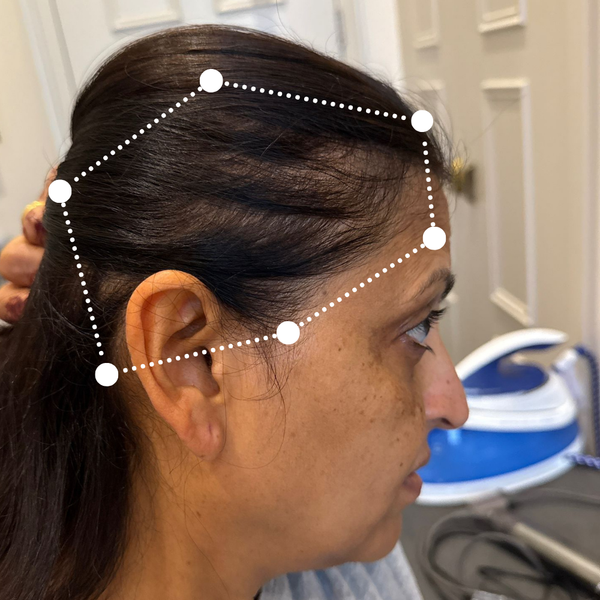 BEFORE
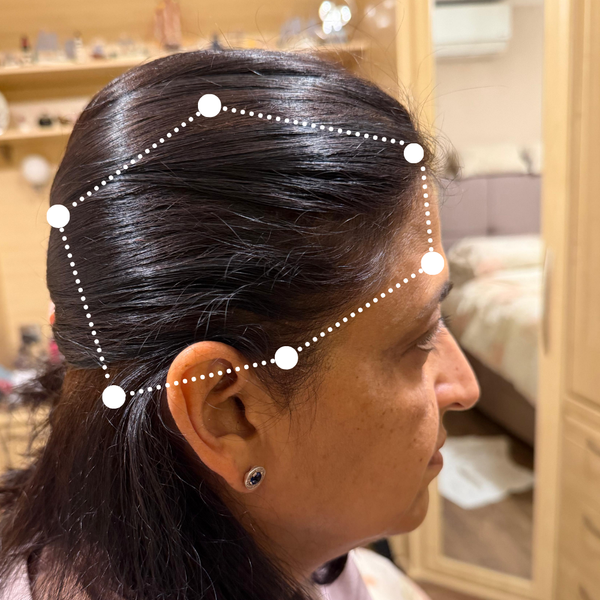 5 MONTHS
“My GP told me not to worry and that it would come back. A year later I was still losing hair! Now I finally feel like I'm having good hair days.”
Niky, 57 Wave patient
Photos taken by patients during treatment with Wave. Results vary from person to person, and not everyone is suitable for treatment.
Part 5
Lifestyle and progress
Nutrition, gentle hair care and support for your wellbeing can sit alongside treatment. They also help your clinician understand the wider picture of your hair health.
- Nutrition for stronger strands
- Stress management
- Scalp care
- Hormonal balance
- Avoiding hair-loss triggers
- Consistency and where Wave fits in
- Tracking progress
Nutrition for stronger strands
Hair needs adequate nutrition to grow. A varied diet helps support those needs.
| Nutrient | Food sources |
|---|---|
| Protein | Eggs, fish, meat, tofu and legumes. |
| Iron | Meat, beans, lentils and leafy greens. |
| Zinc | Nuts, seeds and whole grains. |
| Vitamin D | Dietary sources, and supplements where advised. |
Practical points
- Avoid crash diets and overly restrictive eating.
- Pair plant sources of iron with vitamin C.
- Discuss suspected deficiencies before choosing supplements.
- Tell your clinician which supplements you already take.
A supplement is most useful when there is a specific nutritional need.
Stress management
Chronic stress can lead to telogen effluvium, a condition in which hair follicles enter the resting phase prematurely. Stress also increases cortisol levels, which can disrupt hair growth cycles.
Mindfulness
Meditation, yoga or deep breathing exercises can lower cortisol levels and improve overall wellbeing.
Physical activity
Regular exercise reduces stress and also improves blood circulation to the scalp, promoting healthy hair growth.
Sleep
Quality sleep allows the body to repair itself. Aim for 7–8 hours of restful sleep every night.
Keep it manageable. Choose a stress-management habit you can maintain. You do not need a perfect routine.
Scalp care
A healthy scalp creates the ideal environment for hair follicles to thrive. Neglecting scalp health can lead to clogged follicles, inflammation and reduced hair growth.
Keep it clean
Use gentle shampoos to remove excess oil and build-up. Avoid over-washing, which can strip natural oils; under-washing can leave excess oil that leads to dandruff and scalp irritation.
Massage regularly
Scalp massage may support blood flow and feels good, but on its own it won’t regrow hair.25
Address dandruff
A flaky scalp may indicate seborrhoeic dermatitis, which needs targeted treatment such as ketoconazole-based products.
Tip: ketoconazole shampoos treat the yeast behind dandruff. Some small studies, mostly in men, suggest a mild extra benefit for hair.
Hormonal balance
Hormonal imbalances, particularly during menopause, pregnancy or conditions such as PCOS, can significantly affect hair health.
Balanced diet
Include healthy fats, lean proteins and whole grains to support hormone production.
Consult a healthcare provider
For conditions such as PCOS, hormone replacement therapy (HRT) or thyroid issues, targeted medical support may be necessary.
Regular exercise
Physical activity helps regulate insulin levels, which can positively affect hormone balance.
Avoiding hair-loss triggers
Certain habits and external factors can weaken hair and accelerate hair loss. Being mindful of these can help protect your hair.
Tight hairstyles
Prolonged use of ponytails, braids or extensions can lead to traction alopecia.
Excessive heat styling
Regular use of hair dryers, straighteners and curling irons can damage the hair shaft.
Harsh chemicals
Limit bleaching, perming or hair dyes, as these can weaken hair structure.
Smoking
Smoking reduces blood circulation to the scalp, impairing follicle health.
Consistency is key
Hair grows slowly (about 1 cm per month), so patience and consistency are important when following a hair-care routine or treatment plan.
3–6 months
Visible improvement usually takes 3–6 months of consistent treatment, and clinicians judge it at 6–12 months. In trials, combining treatments helped more women than minoxidil alone.15
Quick fixes don’t work
Social media is filled with miracle products and “overnight” cures. Hair growth is a gradual process that requires scientifically backed solutions.
Natural isn’t always better
Natural remedies such as rosemary oil can support hair health, but on their own they’re rarely as effective as clinically proven treatments.
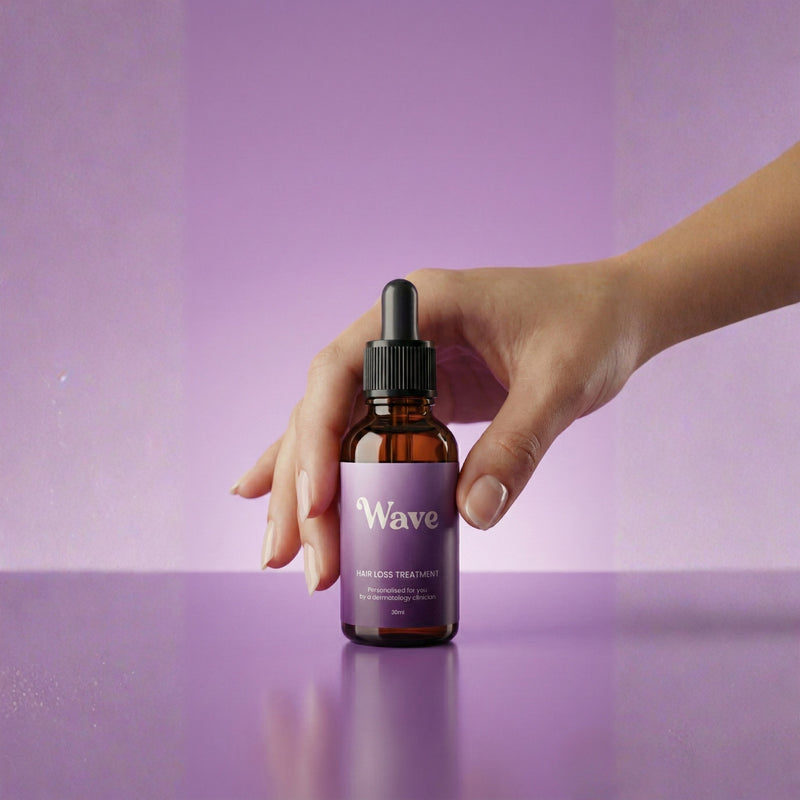
Where Wave fits in
Treatment, support and guidance in one place
Personalised treatment plans
Every plan is tailored to your hair-loss type and lifestyle.
Ongoing clinical support
Our clinicians are available to monitor your progress and adjust your treatment as needed.
Education and guidance
Access resources, tips and tools to support your overall hair health.
Tracking progress: what to expect
Results vary. Use regular photos and planned check-ins to assess change over time, rather than judging your hair day by day.
A quick recap of the hair cycle
To track progress effectively, it helps to know the basics of how hair grows (see Part 1).
- Anagen (growth): hair actively grows. It lasts 2–7 years for most people.
- Catagen (transition): a brief phase (2–3 weeks) in which the follicle shrinks and detaches from the blood supply.
- Telogen (resting): the hair rests for about 3 months before shedding and starting the cycle again.
Why this matters: hair treatments typically aim to extend the anagen phase and reduce premature entry into the telogen phase, promoting thicker, healthier hair over time.
- Weeks1–4
Adjusting to treatment
What you may notice
- Some people experience temporary shedding.
- Topical treatments can cause irritation or dryness.
What to do
- Take baseline photos.
- Follow your treatment instructions.
- Discuss persistent shedding or irritation with your clinician.
- Month3
Early signs of change
What you may notice
- Early changes in shedding or fine regrowth.
- Changes may still be subtle, or not yet visible.
What to do
- Compare monthly photos taken in similar lighting.
- Continue as directed and attend your planned review.
- Month6
Reviewing change
What you may notice
- Changes in density or the amount of visible scalp.
- The degree of improvement varies.
What to do
- Review your photos and symptoms with your clinician.
- Discuss whether the plan needs adjusting.
- Month12
Review your progress
Look back at your starting point
Compare photos, shedding patterns and how your hair feels.
Review the plan
Discuss your response, side effects and next steps with your clinician.
Think long term
Some conditions need ongoing treatment to maintain benefit. Your plan should reflect your diagnosis.
Start your hair-health journey with Wave.
Part 6
Wellbeing and early support
Hair loss can affect how you feel about yourself. You do not have to manage it alone.
- The psychological impact of hair loss
- Care that listens
- Why an early assessment can help
The psychological impact of hair loss
Hair loss can affect how you feel about yourself. You may notice it in photos, social situations or the time you spend thinking about your hair.
Your feelings are valid
You do not have to brush it off because someone else says, “It’s just hair.” What matters is how it affects you.
You do not have to manage it alone
Talking to someone you trust can help. Tell your clinician if hair loss is affecting your wellbeing as well as your scalp.
A next step can be small
Start by noting what has changed and asking for an assessment. You deserve a clear explanation of your options.
Care that listens
Your concerns deserve time and attention
Whether you have just noticed a change or have been dealing with hair loss for years. At Wave, support is part of the plan. You can ask questions, raise concerns and discuss adjustments with your clinician.
A useful consultation should help you understand:
- What may be contributing to the change.
- Which options are suitable for you.
- What each option can realistically achieve.
- How your progress will be reviewed.
Why an early assessment can help
If you have noticed a lasting change, an early assessment can help you understand the cause and your options.
Prevent further loss and preserve density
Hair loss is often progressive, especially in conditions such as female pattern hair loss (FPHL). Over time, hair follicles can shrink and eventually become dormant, making them harder to revive. For progressive hair loss, maintaining existing hair is an important treatment goal.
- Starting treatment early helps preserve existing hair before significant thinning occurs.
- It slows the progression of hair loss by targeting root causes, such as hormonal imbalances or scalp inflammation.
Early signs are easier to treat
Treating hair loss in its early stages is more effective because:
- Hair follicles are still active and more responsive to treatments such as minoxidil and DHT-blocking treatments.
- Combination therapies can target several underlying causes at once, leading to better outcomes.
Supports long-term hair growth
Many treatments for hair loss, such as minoxidil and topical formulations, need consistent use to deliver results. Starting early means:
- You give treatments enough time to work (typically 3–6 months for noticeable improvement).
- You can establish a routine that supports healthy, long-term hair growth.
Delay or avoid more invasive options
If left untreated, advanced hair loss may require costly or invasive solutions, such as hair transplants. By starting early:
- You reduce the likelihood of needing surgical procedures.
- You can achieve better outcomes with non-invasive treatments.
Uncover underlying causes
Hair loss is often a symptom of deeper health issues, such as hormonal imbalances, nutrient deficiencies or chronic stress. Seeking help early allows you to:
- Identify and address the root cause before it worsens.
- Receive personalised guidance on how to prevent further damage.
Get support sooner
Hair loss can affect confidence and wellbeing. An early conversation gives you space to ask questions and make informed decisions at your own pace.
Why assessment comes first
The value of early treatment depends on the cause. A diagnosis helps determine whether treatment, monitoring or further investigation is appropriate.
Noticed a change? You do not have to wait until it is obvious to everyone else.
Part 7
Choosing and using treatment
There are many products and services to choose from. Start with your diagnosis, then ask what evidence supports each option and how it fits your needs.
- Navigating products and services
- Key factors when choosing products
- Fitting treatment into your routine
- The ‘dread shed’
Types of hair-loss treatment available
Clinically proven, prescription treatments
Treatments backed by rigorous scientific research, approved by regulatory bodies for hair loss or prescribed by clinicians because of their clinical evidence base.
Cosmetic products
Shampoos, conditioners and styling products can support scalp care or improve how hair looks and feels. Ask whether the evidence shows regrowth, reduced breakage or simply a cosmetic effect. These are different outcomes.
Other options
Supplements may help when there is a specific deficiency. Ask whether testing is appropriate before adding them. For oils and other remedies, check the quality of the evidence and whether it applies to your diagnosis.
Each purchase should have a clear purpose in your plan.
Beware of savvy marketing
Look beyond the headline.
| The claim | What to consider |
|---|---|
| “Instant results” | Hair growth takes time. Ask what outcome was measured and when. |
| “All natural” | Natural ingredients can still cause irritation, and the label does not establish effectiveness. |
| “For everyone” | Ask whether the evidence applies to your type of hair loss. |
| “Clinically tested” | Being tested is different from showing a meaningful benefit. |
Key factors when choosing products
Evidence
- Who took part in the research?
- What was the treatment compared with?
- Were changes measured or self-reported?
- Do the findings apply to your situation?
Safety
- Are there known side effects, and are they manageable?
- Are the ingredients appropriate for your hair and scalp type?
Budget and routine
- What is the ongoing cost?
- What does each product add?
- Can you maintain the routine?
Professional guidance
- Does the product or service involve input from a licensed clinician, dermatologist or pharmacist?
- Are there resources for ongoing support, such as check-ins or consultations?
Red flags: questions worth asking
Transparency
Are the ingredients, expected benefits and limitations clearly explained?
Evidence
Does the research support the specific claim?
Pressure
Do you have enough information and time to decide?
Value
Does each purchase serve a clear purpose in your plan?
How Wave stands out
Skip the guesswork. Get a treatment designed for your hair.
Clinical assessment
A review of your symptoms, history and hair-loss pattern.
Personalised treatment
A plan selected for your needs and suitability.
Clear guidance
An explanation of the intended benefits, risks and timeline.
Ongoing support
Progress reviews and a place to raise questions.
Fitting treatment into your routine
A treatment routine should be manageable. Link it to an existing habit, follow the instructions and ask for help if it is difficult to maintain.
Make it easy to remember
Aim for a routine you can keep up.
- Choose a regular time that fits your treatment instructions.
- Link it to an existing habit, such as washing your face.
- Use a reminder if that helps.
Practical habits
- Choose a consistent time.
- Set a reminder if useful.
- Store treatment as instructed.
- Take monthly progress photos.
- Bring questions to your review.
How much time does it really take?
2–3 min
a day for most treatments.
- Topical treatments: applying a solution such as minoxidil is quick: massage it into your scalp, let it absorb and carry on with your day.
- Scalp care: using a medicated shampoo or exfoliant can replace your usual hair-washing routine without adding extra steps.
Common questions
Will I remember?
Link treatment to a regular habit or set a reminder.
When will I see a change?
Results take months and vary. Agree a review date with your clinician.
Will it affect styling?
Follow the application and drying instructions for your formulation.
What if I miss a dose?
Check your leaflet. Do not use extra to make up for a missed application.
Build a workable routine
You do not need to do everything perfectly. If the routine feels difficult, tell your clinician so you can discuss practical adjustments.
You can ask for support
Using a hair-loss treatment can bring questions about application, side effects and progress. You do not have to work those out alone. Wave’s clinical team can help you understand your plan and review how it is working for you.

Start your consultation today.
The ‘dread shed’
Some people notice increased shedding after starting minoxidil. It can feel worrying, so it helps to understand what may happen and when to ask for advice.
What is the ‘dread shed’?
“Dread shed” is an informal term for temporary increased shedding after starting certain hair-growth treatments. Not everyone experiences it. It does not, by itself, tell you whether treatment will succeed.
Why does it happen?
Minoxidil affects the hair growth cycle. Treatment can change when follicles move between phases, and older hairs may be released as the cycle changes. The amount of shedding is not a reliable measure of your eventual result.
What to expect
- Shedding may increase during the first weeks.
- Not everyone experiences this.
- Timing and duration vary.
What the science says
About 1 in 10 to 1 in 6 women notice it on topical minoxidil.9,23 It doesn’t happen to everyone, and it doesn’t predict your result.
Typical timeline
It usually peaks around week 4 and settles by about 3 months
Shedding tends to start at 2–6 weeks, peaks around week 4 and drops below starting levels by about week 16.24 If heavy shedding carries on past week 8, a clinician should review it.
Check the leaflet for your specific treatment. Seek advice about persistent, severe or concerning shedding. You do not need to interpret it alone. New shedding can feel unsettling. Keep a note of the timing and ask your clinician what is expected for your particular treatment.
How to manage the dread shed
Follow your instructions
Use your treatment as directed. Check your leaflet and speak to your clinician if shedding or other symptoms concern you.
Compare over time
Monthly photos in consistent lighting are more useful than checking individual strands each day.
Be gentle with your hair
During this period, your hair may feel more fragile. Avoid harsh styling, excessive heat and tight hairstyles. Use gentle shampoos and conditioners to support scalp health.
Speak to your clinician
Describe when shedding started, how it has changed and any scalp symptoms. They can advise on the next step.
Allow time for review
Results take months and vary. Agree with your clinician when to assess progress.
Care for your scalp
Use products that suit your scalp. Ask for advice about persistent itching, redness or flaking.
We are here to support you
Tell us what you are noticing
Wave’s clinical support is there for questions about shedding, application and progress.
A useful check-in includes:
- When the shedding began.
- Whether it is improving or worsening.
- Any itching, redness or irritation.
- How you are using the treatment.
Part 8
Scalp health
Flaking and itching deserve attention. This part explains dandruff, how it can affect scalp comfort and when to seek advice.
- What is dandruff?
- Why does it happen?
- How to avoid and treat it
- Dandruff myths
What is dandruff?
Dandruff causes flakes on the scalp and may come with itching. Other scalp conditions can look similar, so persistent symptoms are worth assessing.
Why does it happen?
Dandruff occurs when the scalp’s natural balance is disrupted. The main culprits include:
Malassezia
A naturally occurring yeast-like fungus on the scalp can grow out of control, feeding on sebum (the natural oils on your scalp) and breaking it down into fatty acids. This process can irritate the scalp and trigger flaking.
Seborrhoeic dermatitis
A more severe form of dandruff that causes redness, inflammation and large, greasy flakes. It is linked to overactive sebaceous glands and the presence of Malassezia.
Dry scalp
A dry scalp can also cause flaking, though the flakes are usually smaller and less oily than those from dandruff caused by seborrhoeic dermatitis.
Irritation from products
Harsh shampoos, styling products or excessive use of heat tools can strip the scalp of its natural oils, leading to irritation and flaking.
Other factors
Hormonal changes, stress, poor diet, and weather changes, especially cold, dry conditions.
How does dandruff affect hair loss?
Dandruff does not usually explain progressive hair thinning on its own. Itching, inflammation and scratching can contribute to shedding or breakage. If both your scalp and your hair have changed, mention both during your assessment.
How to avoid and treat it
Use the right ingredients.
| Ingredient | What it does |
|---|---|
| Ketoconazole | An antifungal ingredient that reduces Malassezia. Found in medicated shampoos. |
| Zinc pyrithione | Has antifungal and antibacterial properties to reduce scalp irritation. |
| Salicylic acid | Helps exfoliate dead skin cells and reduce scaling. |
| Coal tar | Slows down the production of skin cells, reducing flaking. |
| Selenium sulfide | Reduces fungus and slows the production of scalp oils. |
Find a routine that suits your scalp
- Wash regularly enough to manage oil and build-up.
- Use anti-dandruff products as directed.
- Avoid products that irritate your scalp.
Seek advice
Persistent redness, soreness or flaking may need a different treatment or diagnosis.
Dandruff myths
Myth 1
“Dandruff is caused by poor hygiene.”
The explanation
While regular washing helps manage dandruff, it is not caused by a lack of hygiene. It is often due to an overgrowth of Malassezia or other scalp conditions.
Myth 2
“Oily hair means no dandruff.”
The explanation
Dandruff can actually thrive in oily environments, as the fungus feeds on sebum.
Myth 3
“Dandruff is contagious.”
The explanation
Dandruff isn’t contagious. It results from internal factors or sensitivity to Malassezia, not an infection you can “catch”.
Myth 4
“You should stop treatment once flakes disappear.”
The explanation
Dandruff is a chronic condition for many people, so maintaining a routine with anti-dandruff products is key to keeping it under control.
SourcesReferencesThe studies behind the numbers in this guide
- Chaikittisilpa S, et al. Menopause. 2022. doi:10.1097/gme.0000000000001927
- Meghoma et al. Br J Dermatol (conference abstract). 2026. doi:10.1093/bjd/ljag086.299
- Endo et al. Int J Womens Dermatol. 2023. doi:10.1097/jw9.0000000000000109
- Lee et al. Dermatology. 2026. doi:10.1159/000551153
- Rayner DG, et al. JAAD Int. 2025. doi:10.1016/j.jdin.2025.08.004
- Quinn M, et al. Fertil Steril. 2014. doi:10.1016/j.fertnstert.2014.01.003
- Eli Lilly. Zepbound (tirzepatide) US prescribing information. 2023.
- Novo Nordisk; Eli Lilly. Wegovy and Mounjaro UK Summaries of Product Characteristics (eMC). 2026.
- Zari S. Dermatol Ther (Heidelb). 2023. doi:10.1007/s13555-023-00919-x
- Jacobs JP, Szpunar CA, Warner ML. Int J Dermatol. 1993. doi:10.1111/j.1365-4362.1993.tb02755.x
- van Zuuren EJ, et al. Cochrane Database Syst Rev. 2016. doi:10.1002/14651858.CD007628.pub4
- Sinclair R, Wewerinke M, Jolley D. Br J Dermatol. 2005. doi:10.1111/j.1365-2133.2005.06218.x
- Iorizzo M, et al. Arch Dermatol. 2006. doi:10.1001/archderm.142.3.298
- Sadeghzadeh-Bazargan A, et al. J Cosmet Dermatol. 2024. doi:10.1111/jocd.15979
- Liang X, et al. Front Med. 2022. doi:10.3389/fmed.2022.905140
- Jimenez JJ, et al. Am J Clin Dermatol. 2014. doi:10.1007/s40257-013-0060-6
- Dubin DP, et al. J Am Acad Dermatol. 2020.
- Shapiro J, et al. J Am Acad Dermatol. 2020.
- Cho YH, et al. Evid Based Complement Alternat Med. 2014.
- Ibrahim IM, et al. J Cosmet Dermatol. 2021.
- Panahi Y, et al. Skinmed. 2015.
- Patel DP, Swink SM, Castelo-Soccio L. Skin Appendage Disord. 2017. PMID:28879195
- Blume-Peytavi U, et al. J Am Acad Dermatol. 2011. doi:10.1016/j.jaad.2010.09.724
- Bi et al. J Dermatolog Treat. 2025. doi:10.1080/09546634.2025.2480739
- Koyama T, et al. Eplasty. 2016.
- Rossi A, et al. Int J Immunopathol Pharmacol. 2012. doi:10.1177/039463201202500435
- Shin HS, et al. Am J Clin Dermatol. 2007.
- Fischer TW, et al. Br J Dermatol. 2004.
Your next step
Ready to talk it through?
Understanding your hair loss starts with a consultation. A clinician can review your symptoms, history and hair-loss pattern, and explain the intended benefits, risks and timeline of any treatment.
Tell us about your hair loss
A short online consultation: your pattern of loss, medical history, menopause status and what you’ve already tried.
A UK clinician reviews it
If treatment is suitable, they prescribe a personalised topical formula. If it isn’t, they tell you.
Made, delivered and adjusted
A GPhC-regulated pharmacy makes your formula. Reviews, formula changes and WhatsApp support are included.
This guide is for education and isn’t personal medical advice. Treatment is only prescribed if suitable after an online assessment by a UK-registered clinician. Your clinician decides whether treatment is suitable and what any formula contains. Not everyone is suitable. Results vary. Dr Rohin Patel founded and works for Wave. © 2025 Wave Care Ltd.