


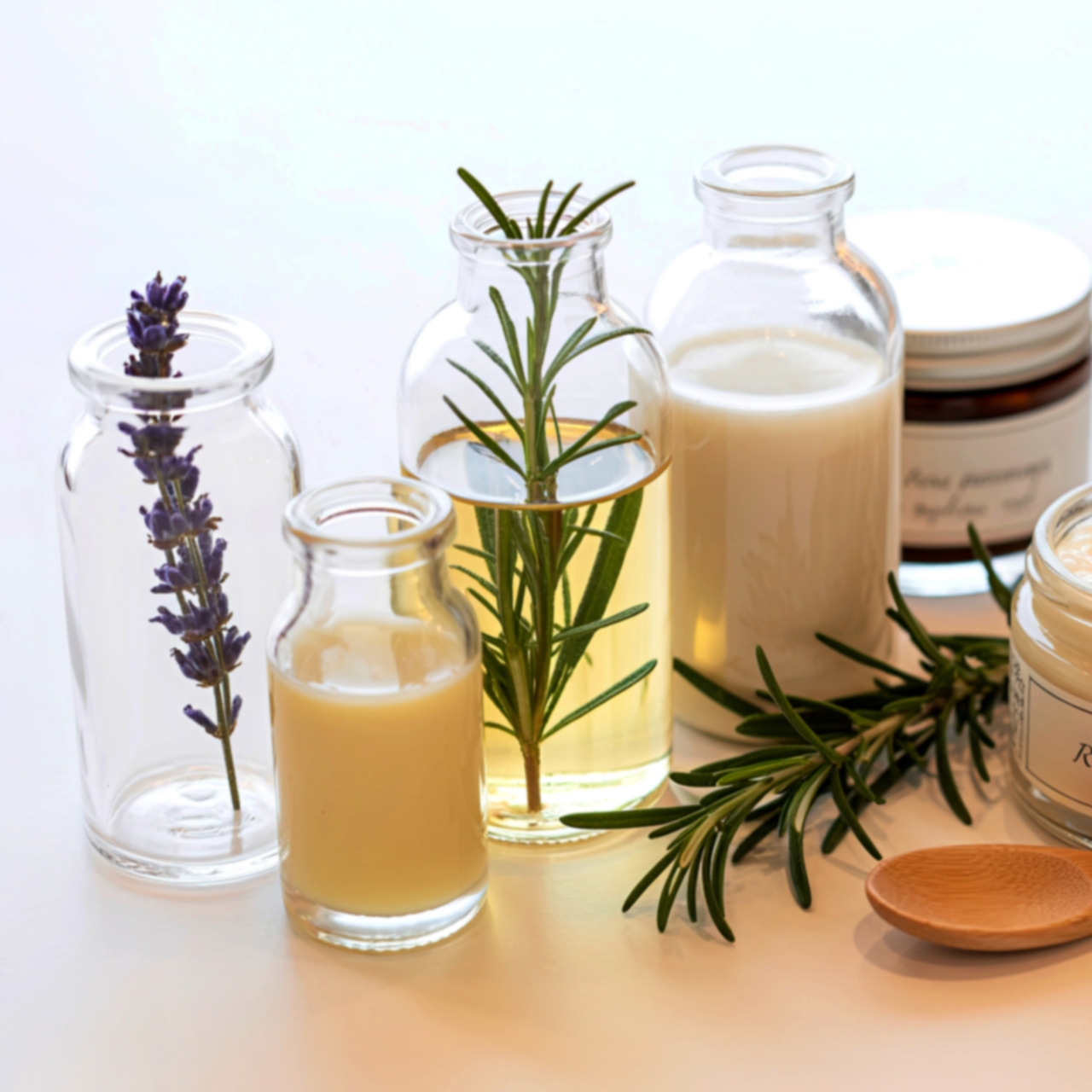
Natural Products Don't Work for Menopausal Hair Loss
If you're experiencing menopausal hair loss, you've probably tried every "natural" solution the internet promises will work.
Rosemary oil. Pumpkin seed supplements. Saw palmetto. You've heard of them all.
The truth? These gentle approaches can't address the hormonal mechanism driving your hair loss.
Let's talk about why - and what actually works.
Dr Rohin Patel
Founder, Wave
1.
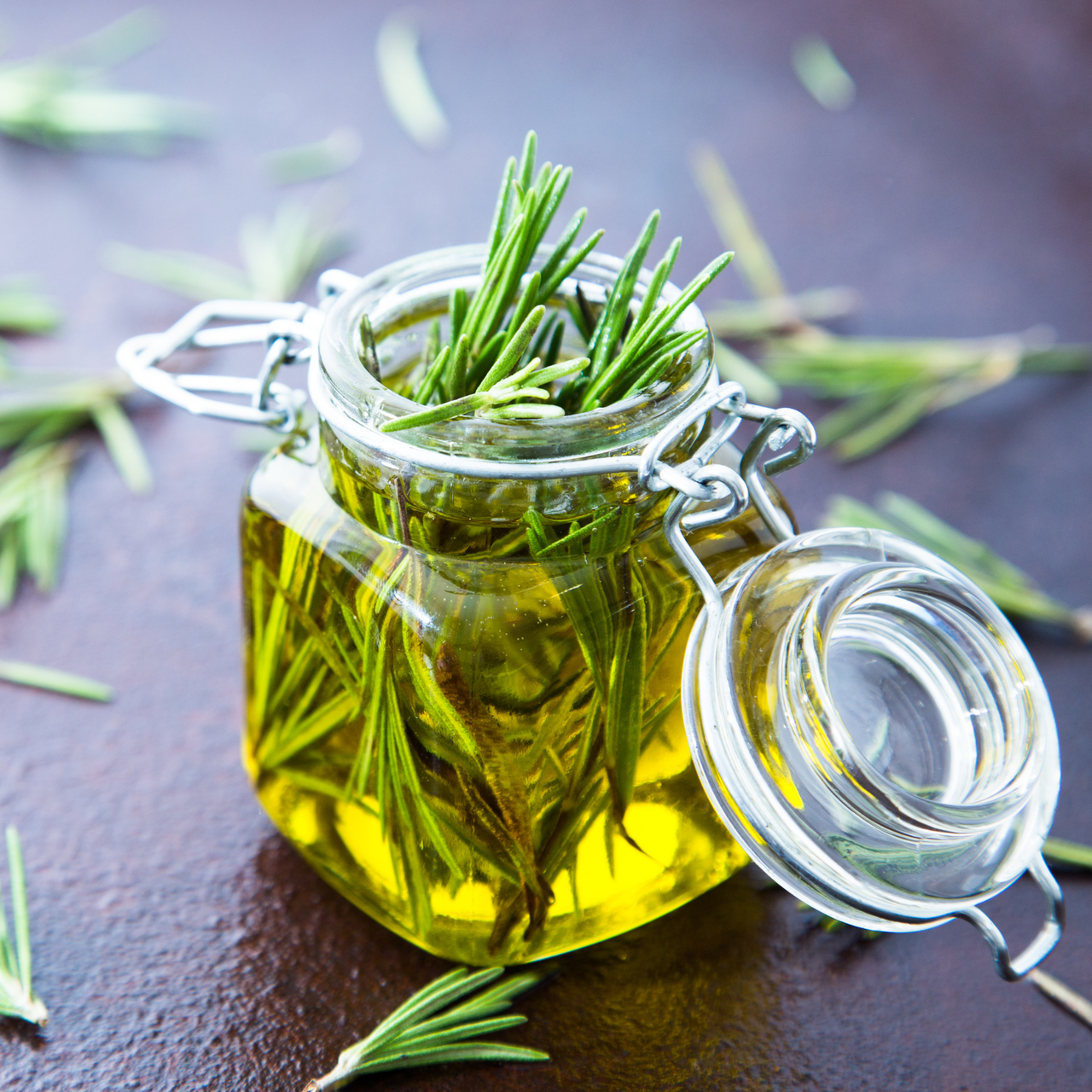
Rosemary Oil Won't Block DHT
When estrogen drops during menopause, your scalp becomes permanently more sensitive to DHT - the hormone that shrinks your hair follicles.
Rosemary oil might support general scalp health, but it doesn't block DHT activity at therapeutic levels. It can't reverse follicle miniaturisation. It can't extend your hair's growth phase.
Those mechanisms require active pharmaceutical ingredients at concentrations proven in clinical studies.
What many women don't realize: Natural oils often cause more scalp irritation than medical treatments. Rosemary oil and castor oil can inflame sensitive menopausal skin, making the problem worse.
Why it matters: Months spent on rosemary oil is time your follicles continue shrinking. And once follicles shrink past a certain point, recovery becomes significantly harder.
“I WASTED 6 MONTHS”
Sarah M.
Verified Buyer
“Rosemary oil for 6 months - zero results. My scalp was irritated and my hair kept thinning. Wave explained the actual science and within 3 months I'm seeing real regrowth. Wish someone had told me sooner that natural doesn't mean effective. The clinical approach actually worked.”
2.
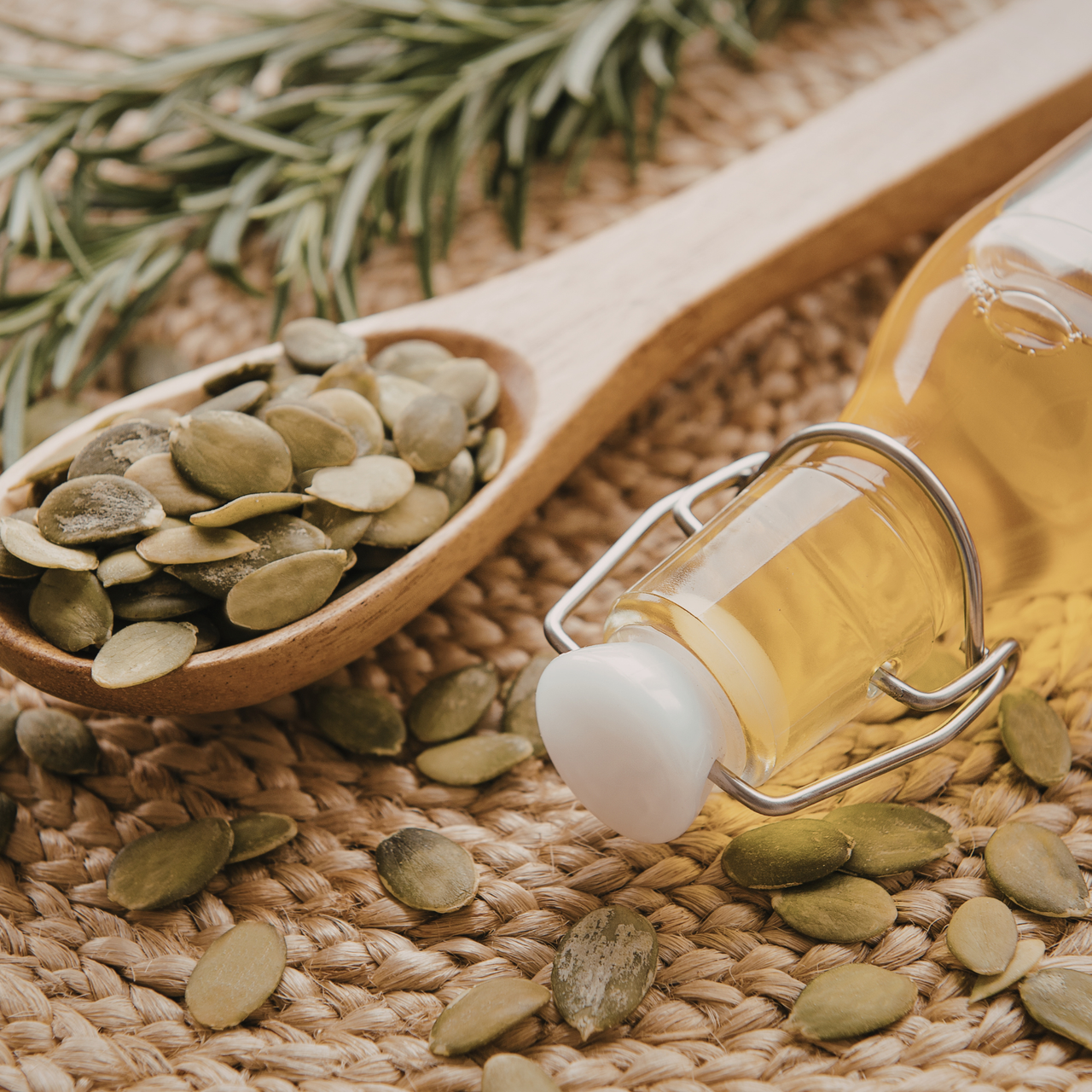
Pumpkin Seed Oil Has Extremely Weak Evidence
Most "studies" on pumpkin seed oil aren't clinical trials. Researchers drip pumpkin seed oil onto cells in a test tube and observe some anti-DHT activity. But your scalp is not a test tube.
The actual real-world clinical evidence? A handful of tiny studies - mostly on men, with sample sizes of 20-30 people, showing minimal results even under ideal conditions.
The dramatic difference: When you compare pumpkin seed oil to actual clinical DHT blockers like Finasteride or Spironolactone, the results aren't even in the same universe.
Clinical DHT blockers show significant, measurable follicle protection and regrowth in large-scale studies.
If you're going to use something to block DHT, use something proven to actually work. Especially when topical medical treatments have minimal side effect risks with dramatically better results.
“REGROWTH IN 4 MONTHS”
Emma T.
Verified Buyer
“I wanted to block DHT but I trusted influencers saying pumpkin seed oil worked. Eight months, £200 spent, zero results. Wave's combination therapy with clinical DHT blockers gave me visible regrowth in 4 months.”
3.
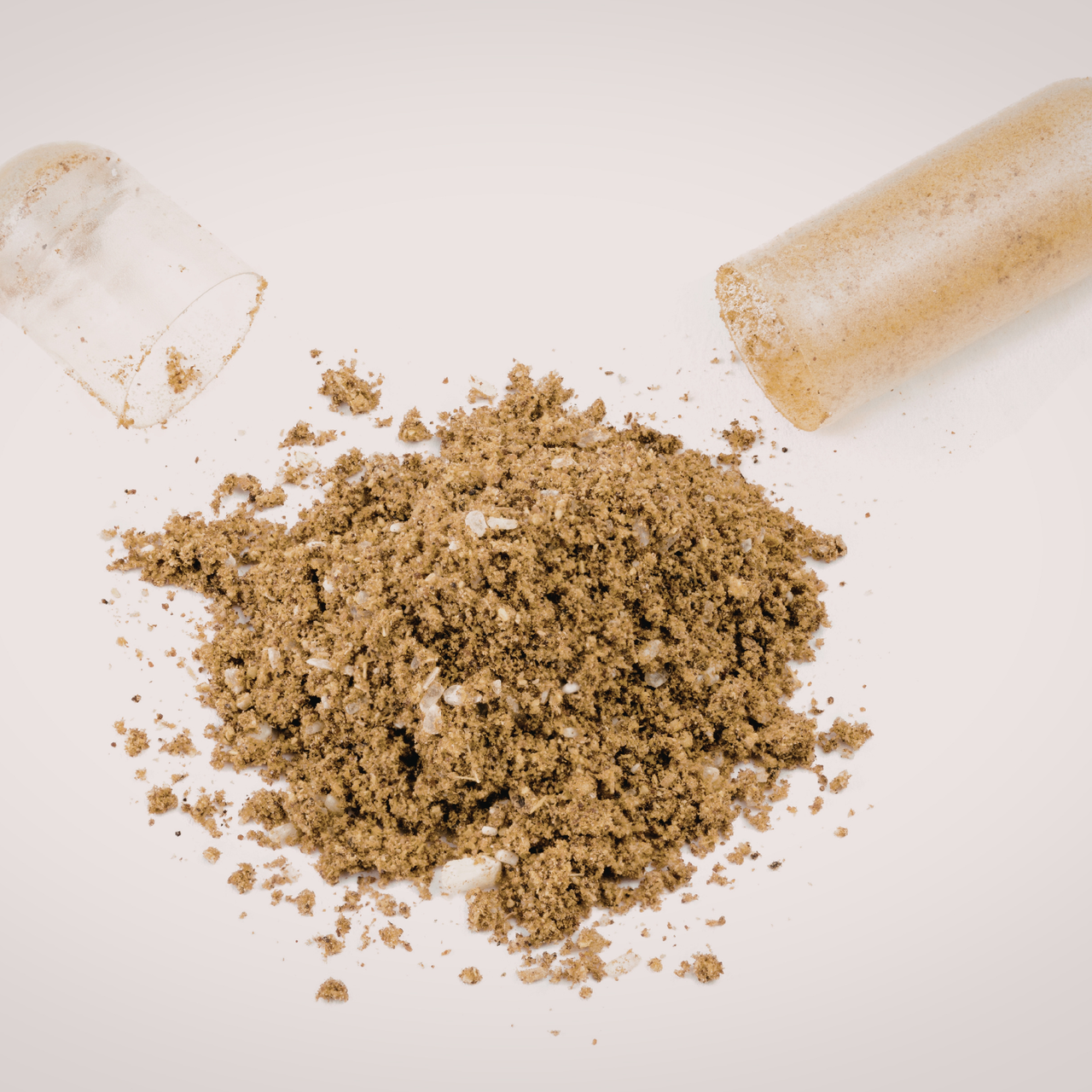
Saw Palmetto Supplements Are Inconsistent and Unregulated
Saw palmetto is marketed as a "natural DHT blocker" and constantly recommended for hair loss. But supplements are unregulated.
You have no idea what concentration of active ingredient you're actually getting. Studies show massive variation between brands - some contain barely any active compounds at all.
The delivery issue: Even if you're getting a good supplement, oral saw palmetto has to go through your digestive system, get absorbed into your bloodstream, and then hopefully reach your scalp.
The evidence gap: Clinical studies on saw palmetto for female pattern hair loss show inconsistent results at best. Most studies are on men with very different hormonal profiles.
What actually works: Proven anti-androgens at therapeutic concentrations, applied directly to your scalp, with clinical oversight to adjust based on your response.
“I STOPPED GUESSING”
Rachel K
Verified Buyer
“I tried saw palmetto for a year. My naturopath kept saying 'give it more time.' My hair kept thinning. Wave's clinical approach with proven ingredients turned things around in 12 weeks. I stopped guessing with unregulated supplements and started using actual treatment. Results speak for themselves.”
4.
Natural Doesn't Mean Safer - Just Less Effective
The reality: Here's what nobody tells you about natural hair loss products:
They're still chemicals. Those gummies? Full of fillers, sugars, and binding agents that have nothing to do with hair growth.
Those "gentle" oils? They often cause more scalp irritation than medical formulations.
The safety misconception: You're told to fear pharmaceutical ingredients, but natural products are unregulated. You don't know:
What concentration you're actually getting
Whether it's contaminated
If it interacts with other medications
Whether the "clinical study" was legitimate or paid for by the brand
Medical treatments are regulated: Every batch is checked. Concentrations are precise. Side effects are documented and monitored.
The topical advantage: Wave's treatments are applied directly to your scalp - localized effects, not systemic. You're not taking oral medication that goes through your whole body.
Natural supplements go through your digestive system. Pharmaceutical topicals go exactly where you need them.
"ZERO IRRITATION"
Claire F.
Verified Buyer
“Rosemary oil made my scalp so inflamed I couldn't brush my hair. Wave's medical formula? Zero irritation and actual results. My scalp is healthier and hair thicker now than when I was using 'natural' products.”

5.
You Wouldn't Treat Other Medical Conditions With Essential Oils
Menopausal hair loss is a medical condition. It has a clear hormonal mechanism. It's progressive without treatment.
You would't treat thyroid, diabetes or blood pressure with just natural products.
So why are women told to treat hair loss with oils and supplements instead of medicine?
The cultural problem: We've been conditioned to think caring about our hair is vain. That we should try every "natural" option before "resorting" to real treatment.
But you deserve proper medical care for a chronic condition - without shame or delay.
The progressive nature: Every month you spend on ineffective natural remedies is time your follicles continue shrinking. Hair loss is easier to prevent than reverse.
Starting proper treatment early gives you the best chance of maintaining and regrowing density.
"WISH I'D STARTED SOONER"
Priya S.
Verified Buyer
“I tried every natural solution for 18 months because I thought medical treatment was too harsh. By the time I started Wave I'd lost so much hair. I'm getting regrowth now but I wish I'd started sooner. Hair loss is medical - treat it medically from the start.”
6.
Combination Therapy Beats Any Natural Ingredient
Even if natural ingredients had some effect, using them one at a time is the wrong approach.
Menopausal hair loss has multiple mechanisms:
DHT binding to follicle receptors
Shortened growth phase
Increased shedding phase
Reduced follicle size
Decreased blood flow
Single ingredients can't address all of that. Even single pharmaceutical ingredients show limited results.
This is why dermatologists use combination therapy:
DHT blockers to stop follicle miniaturization
Growth stimulants to extend the growth phase
Anti-inflammatories to support scalp health
Absorption enhancers to improve penetration
Wave's approach achieves 94% efficacy because we're targeting the problem from multiple angles simultaneously with proven ingredients at therapeutic concentrations.
Natural oils and supplements? You're hoping one gentle ingredient might help with one mechanism. It's not enough.
“COMBINATION THERAPY CHANGED EVERYTHING”
Gemma N.
Verified Buyer
“Combination therapy changed everything. I tried saw palmetto, pumpkin seed, rosemary oil - nothing worked. Wave's combination of Minoxidil, DHT blockers, and supporting ingredients finally gave me results. You can't beat hair loss with one gentle ingredient. You need a comprehensive approach with proven actives.”
Start free consultation

Try Wave Risk-Free for 180 days
We believe women deserve real results, not false promises. If your personalised formula doesn’t deliver results, we’ll refund you with zero hassle.
Find my treatment
Ready To Say "I love my hair now"?
Start free consultation


